Two friends, one an architect and the other one several other things, got together to share their passion for
good architecture and design, with a dash of photography and DIY. All this in 3 minutes or less.


Showing posts with label retro. Show all posts

Friday, November 28, 2014

Vélocité Café

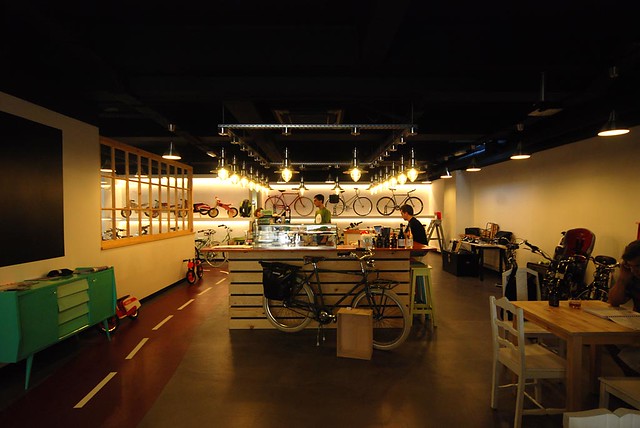
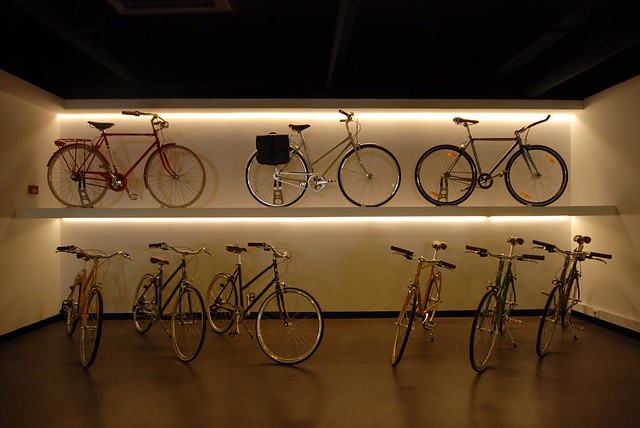
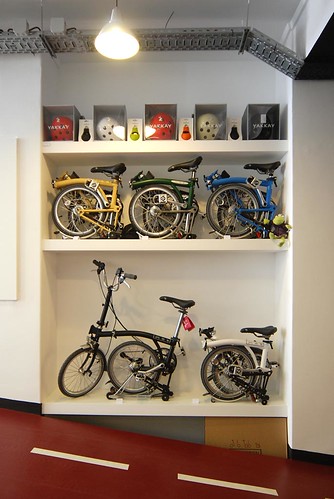
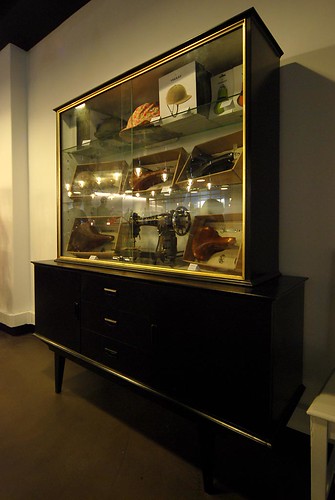
Vélocité Café is more than just a coffee shop. It’s also home to a bike workshop and a bike and accessories shop. In here everything is about bikes!
A retro decor with Nordic touches uses several of the bikes and vintage inspired accessories for sale as decor elements: racks, bags, handlebars, handgrips and wheels fill the walls and shelves here.
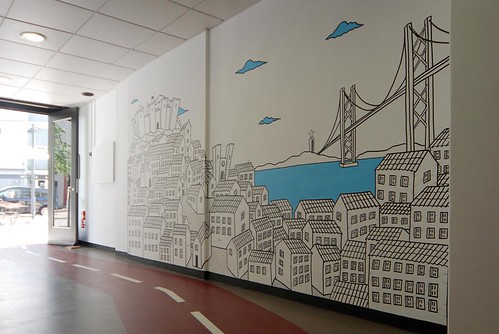
Although it looks small from the outside, the truth is that inside it has a few small tables with mismatched chairs, a bar in the center and the bike workshop with a huge glass window at the end on the left, where you can see all the work and/or restoration taking place. Outside there are a few tables overlooking a bike lane, which can be very pleasant on a sunny day, and a front bike set and wheel hang from the ceiling just above the front door.
The service and menu are very simple but efficient. Here everything is fresh and we can enjoy salads, vegetarian dishes and fresh pressed fruit juices. Oh! And if you arrive by bike you get 10% off!

Marta. 

vélocité café
via vélocité café
via miguel barroso
miguel barroso
miguel barroso
miguel barroso
miguel barroso

Wednesday, November 19, 2014

Encaustic cement tiles - the storytellers!


This past week I read at A Ervilha Cor de Rosa a post about encaustic cement tiles. A few years ago I would passthese and would not give them much thought, but nowadays looking at a floor (or wall!) that has them will make my day! But what is encaustic cement tile and what’s the story behind it?
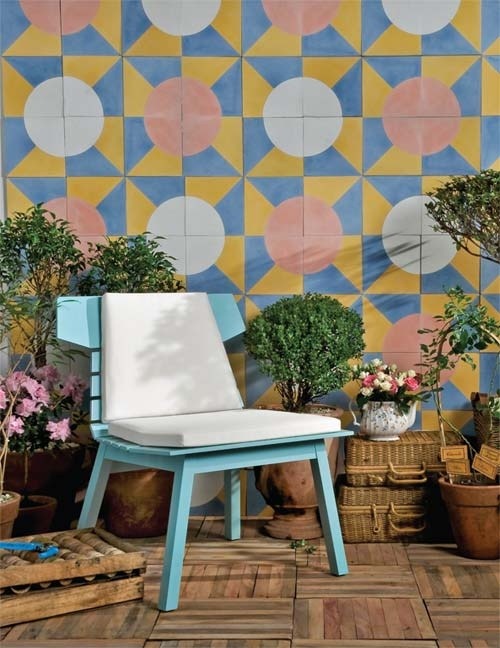
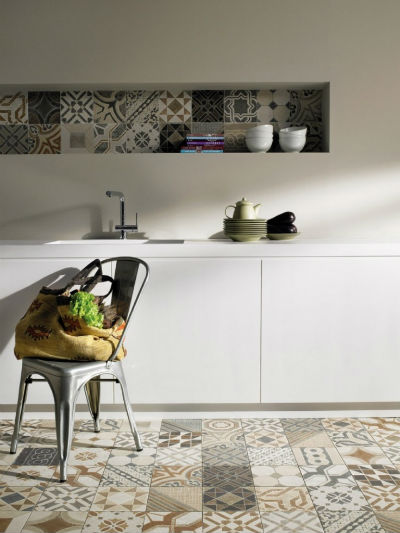
Encaustic cement tiles – or hydraulic tiles - are completely handmade made from cement that is hardened through a hydraulic press instead of being baked. The art of encaustic cement tiles was born in southern France in the late 19th century, but spread largely to Spain, Italy, England and Portugal. It was popular for its resistance and decorative qualities: with encaustic cement tiles you can tell several different stories. It was considered exclusive to the upper class of the time due to its manual manufacturing process.
With the industrialization of the 60s other less elaborate and more profitable materials gradually replaced it and it was, eventually, forgotten and almost disappeared. However, in recent years we have witnessed a reuse of this material in contemporary architecture with retro touches. Therefore, we’re entering a major new phase of manufacture. Of course this new phase, as Rosa Pomar said in her post "mosaico hidráulico 2.0", has both good and bad consequences. The good? The new impulse due to the vintage and retro trend going on right now, resulting in more fans and more manufacturers and invariably more options. The bad? Poor quality imitations in which the pattern is printed.
The real encaustic cement tile still has to be produced as it was originally; despite the technological advances, it is still impossible to industrially reproduce the colors, matte finish and soft texture of the handmade mosaic.

Marta.

via pinterest
via pinterest
via oppa

via mosaic del sur
via mosaic del sur
via arquitete
via egue & seta